

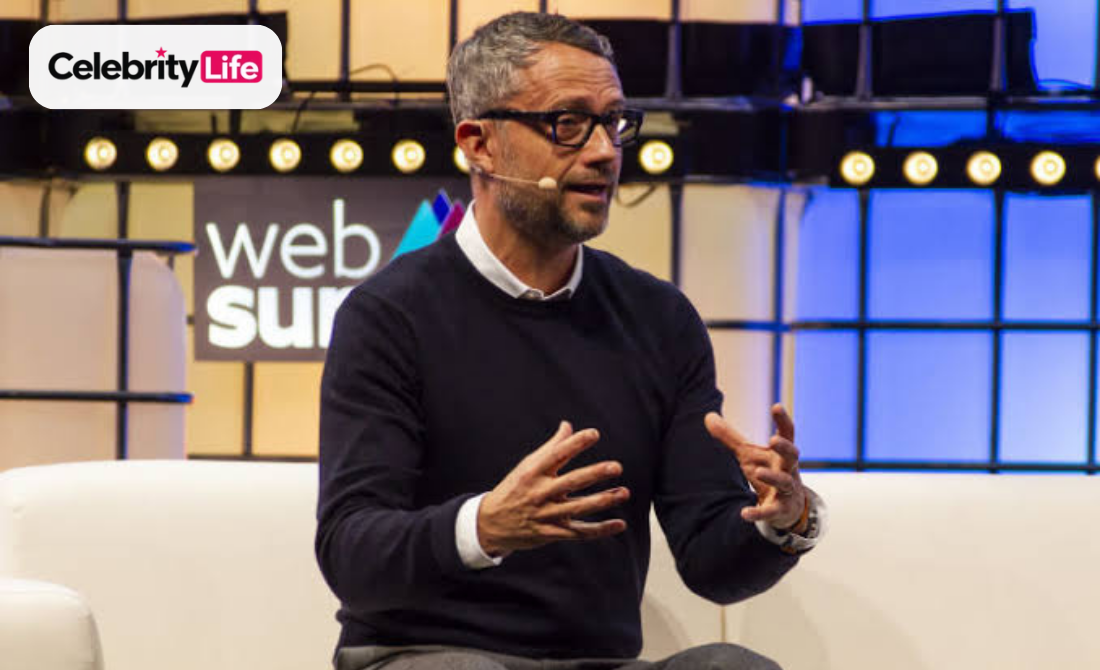
David Pemsel is a British business and media executive whose career has crossed advertising, television, journalism, digital transformation and the creative industries. He is best known for his time as chief executive of Guardian Media Group, where he helped lead a major financial and digital transformation. He later became associated with the British Fashion Council, serving as its chair during an important period of organisational change.
What makes Pemsel’s career particularly interesting is its range. He moved from advertising and marketing into media leadership, then into broader creative-sector governance. His career also includes an unusual chapter involving the Premier League, where he was appointed chief executive in 2019 but ultimately did not take up the position. This article explains his career, achievements, leadership approach and current position.
Quick Answer
David Pemsel is a British business executive best known for serving as CEO of Guardian Media Group from 2015 to 2020. He played an important role in the Guardian’s digital and financial transformation.
He was also appointed Premier League CEO in 2019, but resigned before taking the position. Later, he became Chair of the British Fashion Council, where he has focused on governance, funding, and the growth of British fashion.
Who Is David Pemsel?
David Pemsel is a British executive with extensive experience in media, marketing, commercial strategy and organisational transformation. Before becoming a senior figure at Guardian Media Group, he worked in advertising and marketing and held senior positions at companies including Shine Entertainment and ITV.
Pemsel joined Guardian News & Media in 2011. His responsibilities expanded quickly. He first served as chief marketing officer, later became chief commercial officer and was then promoted to deputy chief executive. In 2015, he became chief executive of Guardian Media Group.
His professional background gave him experience in several areas that became important to the Guardian’s future, including:
- Brand and marketing strategy
- Digital media
- Commercial development
- International expansion
- Reader revenue
- Business transformation
- Leadership and governance
This combination helped position him as more than a traditional media executive.
David Pemsel and Guardian Media Group
One of the most important periods of Pemsel’s career came during his leadership of Guardian Media Group. He became CEO in July 2015 at a time when traditional media companies were facing major challenges from declining print advertising, changing consumer behaviour and the rapid growth of digital platforms.
Pemsel worked closely with Guardian editor-in-chief Katharine Viner. Together, they pursued a three-year transformation strategy designed to reduce losses and create a more sustainable business model. The strategy involved controlling costs while continuing to invest in digital journalism and developing reader-supported revenue.
The results were significant. By 2018, Guardian News & Media had reduced its operating loss to £19 million, compared with £38 million the previous year. Reader revenues had also become more important than advertising revenues, with hundreds of thousands of people financially supporting the Guardian through contributions, memberships and subscriptions.
By 2019, Guardian Media Group announced an operating profit for the first time in two decades. The achievement was recognised at the Media Week Awards, where Pemsel received the Media Leader of the Year award.
What Made the Guardian Turnaround Important?
The transformation was not simply about cutting expenses. It reflected a broader change in how a major newspaper business could operate in the digital era.
Key elements included:
- Greater focus on digital audiences
- Development of reader revenues
- International growth
- Cost restructuring
- Changes to print production
- Greater attention to data and customer behaviour
- Maintaining investment in journalism
This makes Pemsel’s Guardian years particularly relevant to people studying digital transformation and modern media management.
His Career Before the Guardian
Pemsel’s career began in advertising and marketing rather than traditional journalism. During the 1990s and early 2000s, he worked in the advertising industry, including roles connected with Ogilvy & Mather and St Luke’s.
In 2000, he launched a branded-content division at Shine Entertainment. He subsequently joined ITV in 2005 and became its marketing director. These positions helped him develop experience in branding, commercial strategy and audience engagement.
He brought this commercial background to the Guardian when he joined in 2011. His career progression at the organisation was relatively rapid:
- Joined Guardian News & Media in 2011
- Became chief marketing officer
- Became chief commercial officer in 2012
- Became deputy chief executive in 2013
- Became CEO of Guardian Media Group in 2015
This progression demonstrates how his marketing and commercial experience became increasingly important at executive level.
David Pemsel and the Premier League
Another notable chapter came in 2019 when the Premier League appointed Pemsel as its new chief executive.
The appointment attracted attention because Pemsel was coming from the media industry rather than from a conventional football administration background. The Premier League said he had demonstrated strong leadership during a period of transformation at the Guardian.
However, the move never reached the stage of Pemsel taking up the position. He resigned before starting the job, making the episode one of the more unusual moments in his professional career.
Rather than defining his career, the Premier League episode became a short part of a much broader professional journey spanning media, business and the creative industries.
His Role in the British Fashion Council
Pemsel later became increasingly involved with the British Fashion Council (BFC). He served on its executive board for ten years and became chair, helping oversee the organisation during a period of strategic transformation.
As of September 2026, Pemsel remains chair but is scheduled to step down on 30 September 2026 after ten years of service. The British Fashion Council says he has served four years as chair.
His contribution has included work around governance, financial resilience, government relationships and the long-term development of British fashion.
During his chairmanship, the BFC reports several notable achievements:
- Record in-year revenue of £14 million in FY2024/25
- £7.2 million raised through the BFC Foundation
- Multi-million-pound, multi-year government investment
- Appointment of CEO Laura Weir
- Development of the BFC 2030 organisational strategy
- Continued development of The Fashion Awards
- Support for emerging British designers
These achievements show how Pemsel’s leadership experience moved beyond traditional media into wider creative-industry governance.
Leadership Lessons From David Pemsel’s Career

There are several useful lessons that can be taken from Pemsel’s professional journey.
1. Adaptability Matters
Pemsel did not remain within one industry. He moved between advertising, television, publishing and fashion. Each stage required him to understand a different business environment.
2. Transformation Requires More Than Technology
His Guardian experience shows that digital transformation involves business models, customers, costs and organisational culture—not simply launching new technology.
3. Commercial and Creative Goals Can Work Together
Media and fashion both depend on creativity, but they also require sustainable financial structures. Pemsel’s roles illustrate the importance of balancing commercial realities with creative missions.
4. Leadership Is About Long-Term Sustainability
His work at the Guardian and BFC demonstrates a focus on organisational resilience rather than short-term growth alone. The BFC specifically credits his chairmanship with strengthening governance and long-term financial resilience.
David Pemsel’s Career at a Glance
| Career Stage | Role / Achievement |
|---|---|
| Advertising | Senior advertising and marketing positions |
| 2000 | Launched branded-content division at Shine Entertainment |
| 2005 | Joined ITV |
| 2011 | Joined Guardian News & Media |
| 2012 | Became Chief Commercial Officer |
| 2013 | Became Deputy Chief Executive |
| 2015 | Became CEO of Guardian Media Group |
| 2019 | Appointed Premier League CEO but resigned before taking the role |
| 2020s | Expanded involvement in creative-sector leadership |
| 2026 | Serving as British Fashion Council Chair until 30 September |
FAQ’s
Q1. What is David Pemsel known for?
He is best known for his leadership of Guardian Media Group and his role in the organisation’s financial and digital transformation. He is also known for his leadership role at the British Fashion Council.
Q2. Was David Pemsel the Premier League CEO?
He was appointed Premier League chief executive in 2019, but he resigned before taking up the position.
Q3. When did David Pemsel join the Guardian?
Pemsel joined Guardian News & Media in 2011 and later became CEO of Guardian Media Group in 2015.
Q4. Is David Pemsel still chair of the British Fashion Council?
Yes, as of September 2026 he remains chair. The British Fashion Council has announced that he will step down on 30 September 2026 after ten years of service.
Q5. What did Pemsel achieve at the British Fashion Council?
During his chairmanship, the BFC strengthened governance, reported record FY2024/25 revenue of £14 million, raised £7.2 million through its foundation and secured multi-year government investment.
Conclusion
David Pemsel’s career offers an interesting example of modern business leadership. From advertising and ITV to the Guardian and the British Fashion Council, he has repeatedly worked in organisations facing major changes in technology, consumer behaviour and commercial expectations.
His Guardian years remain particularly notable because they combined financial restructuring with digital growth and continued investment in journalism. His later work with the British Fashion Council demonstrates how those leadership skills can transfer into another creative industry. As he prepares to leave the BFC chair in September 2026, his career remains a useful case study in transformation, resilience and cross-industry leadership.
