


Carlos Scola Pliego was a Spanish filmmaker and the former husband of singer Sade Adu. They married in 1989, bringing his name into the public eye beyond the film industry. For many listeners discovering Sade’s personal history, he remains a figure associated with an important chapter in her life.
Yet his professional background also deserves attention: he worked in assistant directing, contributed to international productions, and moved into documentary filmmaking.
His story connects the practical work of making films with a relationship involving one of music’s most distinctive voices. A closer look at his career, marriage and later years reveals a fuller picture of the man behind the familiar description of “Sade’s ex-husband.”
Who Was Carlos Scola Pliego?
Carlos Scola Pliego worked professionally under the shorter name Carlos Scola, which appears on his film credits. His career included several responsibilities behind the camera, including assistant directing, writing and directing. These roles placed him within the production process, helping make films rather than performing in front of the camera.
His connection to Sade brought together two different creative professions. She became internationally recognised through her voice and songwriting, while his work involved film crews and documentary projects. Understanding that distinction helps explain why his name is familiar to music fans even though his own career belonged to cinema.
He was already working on productions during the early 1980s, several years before the wedding. His professional identity therefore began before his association with the singer, with credits spanning both supporting production roles and projects he directed himself.
His Film Career: Production Work and Documentaries
Carlos’s film career involved both collaborative crew work and creative responsibility for his own documentaries. The distinction matters because an assistant director and a film’s principal director perform different jobs.
Assistant directing generally involves coordinating practical aspects of filming, supporting the director and helping the production run efficiently. Documentary directing gives the filmmaker greater responsibility for the subject, approach and finished narrative.
Early Assistant-Director Work
His credits include second assistant-director positions on Black Commando in 1982 and Hundra in 1983. He also worked as an assistant director on G’olé!, the football documentary associated with the 1982 World Cup.
These projects show the variety of productions in his early career. Rather than working exclusively within one genre, he contributed to both fictional entertainment and documentary filmmaking.
Moving Into Documentary Direction
Two titles stand out in his directing career:
- Ngira: Gorilas en la montaña (1988): A documentary short on which he worked as a co-director and writer.
- Donde termina el corazón (1989): A feature-length documentary that he directed and wrote.
Donde termina el corazón runs approximately 95 minutes and explores parts of Africa, taking in communities in the Ituri Forest and the outskirts of Nairobi. Its geographical scope gives a more specific sense of his filmmaking interests than his celebrity connection alone can offer.
The film also marks a different kind of responsibility from assistant directing. As both writer and director, Carlos contributed to how the subject was shaped and presented. For readers interested in his work, these documentary titles provide a useful starting point.
Carlos Scola Pliego’s Marriage to Sade
Carlos and Sade met during the mid-1980s through music-video work, when he served as an assistant director on productions involving the singer. Their relationship developed during a period when her international career was already established.
They married in Spain in 1989, with the wedding taking place at the Castillo de Viñuelas near Madrid. Their relationship also coincided with Sade spending time in the Spanish capital.
By then, the band had released Diamond Life, Promise and Stronger Than Pride. Sade’s professional life involved recording and touring, while the marriage became a significant personal milestone during that successful decade. She remained protective of her private life, and the couple’s relationship was never presented to the public in the detail often associated with celebrity marriages.
Their Separation, Divorce and His Later Years
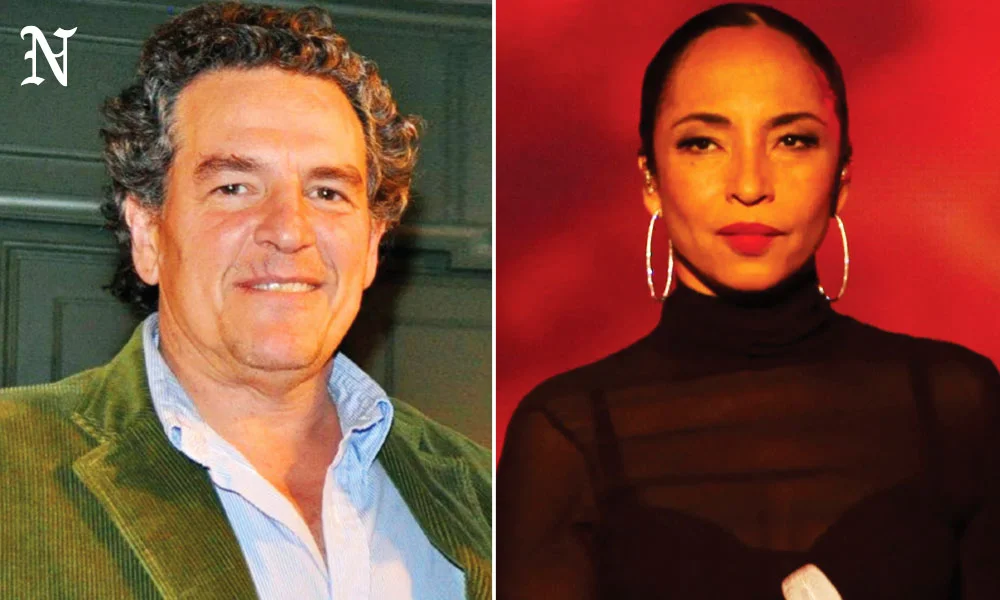
The couple separated before their divorce was finalised in 1995. Their legal marriage lasted approximately six years, but their time together as a married couple was considerably shorter.
The precise reasons for the breakdown remained private. Sade later described the separation as emotionally difficult, but neither person offered a comprehensive public account of what happened between them.
Carlos’s film work extended beyond the relationship. A later credit connects him with Goal II: Living the Dream, released in 2007. His involvement was in additional crew work, rather than as the film’s director.
Carlos died in 2024 and was cremated in El Escorial, Spain, on 8 October. His death brought renewed attention to both his filmmaking background and his former marriage. His life also included an association with writing and literary events.
FAQ’s
Q1. Were Carlos Scola and Carlos Scola Pliego the same person?
Yes. Carlos Scola was the shorter professional name used in his film credits.
Q2. Was he a filmmaker before marrying Sade?
Yes. His early-1980s assistant-director credits predate their 1989 wedding by several years.
Q3. Which documentaries did he direct?
His directing work includes Ngira: Gorilas en la montaña and Donde termina el corazón, released in 1988 and 1989 respectively.
Conclusion
Carlos Scola Pliego’s story includes a high-profile marriage, but it also encompasses the working life of a filmmaker who contributed to productions and directed documentaries of his own. His career offers a broader perspective on someone often remembered through his relationship with Sade.
