

Brian Niccol Starbucks CEO changes focus on faster service, a simpler menu, more welcoming coffeehouses and stronger customer connections. Under his “Back to Starbucks” strategy, the company has brought back familiar café touches while changing how employees prepare and hand over orders.
For customers, the most useful questions are practical: Will your coffee arrive sooner? Has your favorite drink disappeared? Can you stay for a free refill? The turnaround also includes harder decisions about staffing, corporate costs and store closures. Understanding these changes means looking beyond individual announcements to see how they affect an everyday visit—and whether the business is showing meaningful progress.
1. What Is Brian Niccol Changing at Starbucks?
Brian Niccol became Starbucks chairman and chief executive officer on September 9, 2024, after leading Chipotle. His central challenge was to strengthen the experience that made Starbucks distinctive: carefully prepared coffee, recognizable baristas and comfortable places to spend time. His “Back to Starbucks” plan made those priorities the foundation of the company’s turnaround.
The strategy reaches beyond introducing drinks or refreshing advertising. It connects what customers see at the counter with what happens behind it. A welcoming café has limited appeal if orders arrive slowly, while fast service alone does not necessarily make customers want to return.
The main changes fall into several areas:
- Service: Better staffing support and more organized order preparation.
- Menu: Removing less popular items while introducing selected new products.
- Coffeehouses: Restoring personal touches and improving seating and atmosphere.
- Value: Removing the extra charge for standard nondairy milk substitutions.
- Operations: Renovating suitable locations and closing others that do not meet business or experience expectations.
For customers, these priorities work together. A simpler ordering experience, a correctly prepared drink and a comfortable place to enjoy it all contribute to whether a visit feels worthwhile.
2. Faster Service and More Support for Baristas
One of Niccol’s most significant operational changes is Green Apron Service. Starbucks began its nationwide rollout across U.S. company-operated coffeehouses in August 2025, following an eight-week pilot involving 1,500 stores. The model gives employees additional time, tools and support to improve both service and customer interaction.
The challenge is more complicated than simply asking baristas to work faster. A coffeehouse may receive counter, mobile, drive-through and delivery orders at the same time. Each order competes for staff attention and equipment, and highly customized beverages can require different preparation steps.
Starbucks has incorporated tools such as Smart Queue into its service approach to help coordinate order preparation. During the pilot, the company reported faster service and stronger customer connections. Those results describe the trial experience; they do not mean every subsequent visit will have the same waiting time.
A useful way to judge the change is to consider the whole visit. Was the order acknowledged? Did the pickup process feel organized? Was the beverage correct? Speed matters, but avoiding a remake or a confusing handoff can matter just as much to someone trying to get to work.
3. A Simpler Menu and Changes to Drink Value
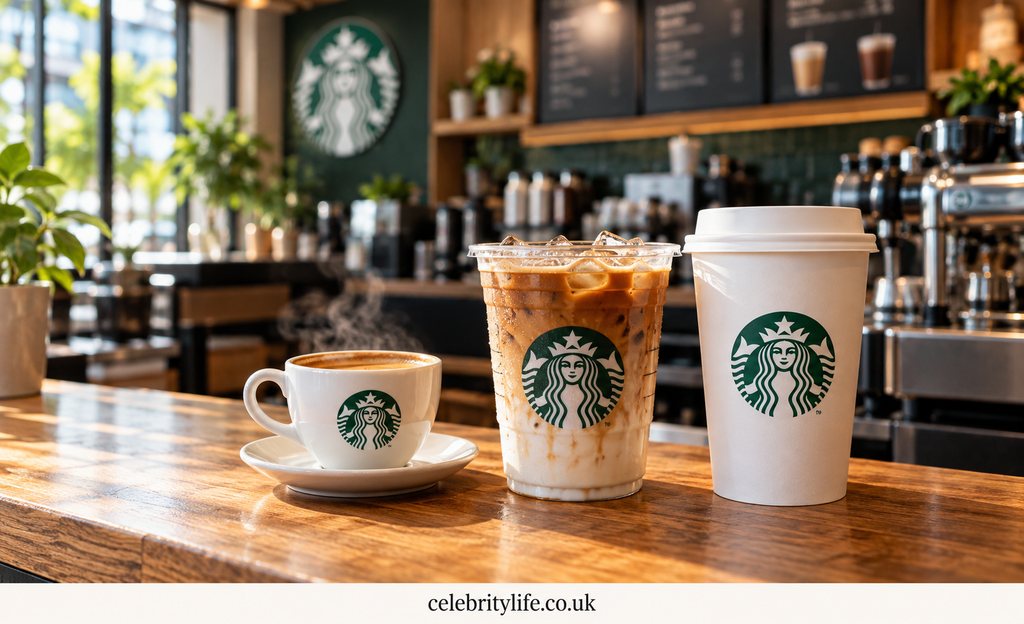
Starbucks began removing selected drinks and food items in spring 2025, with a stated target of reducing its U.S. menu by roughly 30% by the end of that fiscal year. The focus was on products that customers purchased less frequently, were complicated to make or overlapped with existing offerings. This was a menu simplification target, not an announcement that every category would shrink equally.
For someone whose regular order disappeared, the change could feel inconvenient. Operationally, however, reducing overlapping recipes can make preparation easier to manage. The intended benefit is more consistent execution of popular products, alongside room for new drinks that attract customer interest.
New drinks still have a place
A smaller menu does not mean Starbucks has stopped developing products. The company introduced its cortado in January 2025, followed by Protein Lattes and Protein Cold Foam in September that year. Further additions in 2026 included a broader matcha range and Energy Refreshers. The direction combines a stronger coffee focus with drinks suited to different tastes and occasions.
Nondairy milk no longer carries the same extra charge
Starting November 7, 2024, Starbucks removed the additional charge for customizing beverages with nondairy milk at participating U.S. and Canadian locations. That covered familiar choices such as oat, almond, soy and coconut milk.
This change made a specific customization more affordable. It did not make every addition free or reduce every drink’s base price. For a regular customer who substitutes oat milk, the benefit is straightforward: one recurring extra charge disappears from the qualifying order.
4. Coffeehouse Comfort, Refills and Store Closures
Niccol’s strategy also gives customers more reasons to spend time inside Starbucks. Familiar touches include handwritten cup messages, ceramic mugs and improvements to seating, lighting and décor. By July 2026, Starbucks had completed more than 1,000 coffeehouse “uplifts” across the United States and Canada. These updates aim to make cafés more comfortable and useful as gathering places.
What changed for customers staying inside?
Beginning January 27, 2025, Starbucks restored condiment bars in North American cafés, including milk, creamer and sweeteners. It also expanded the opportunity to enjoy free refills of eligible brewed coffee or tea during the same café visit at participating locations.
The refill distinction matters. An eligible refill is not another version of any drink on the menu. A customer should not expect a second specialty latte, Frappuccino or Refresher under the brewed-coffee-and-tea benefit. Conditions and store participation apply.
At the same time, Starbucks introduced a Coffeehouse Code of Conduct clarifying that its spaces are for customers and employees. Comfortable seating and a clean environment are part of the plan, alongside clearer expectations about how those spaces are used.
Why are stores closing during a turnaround?
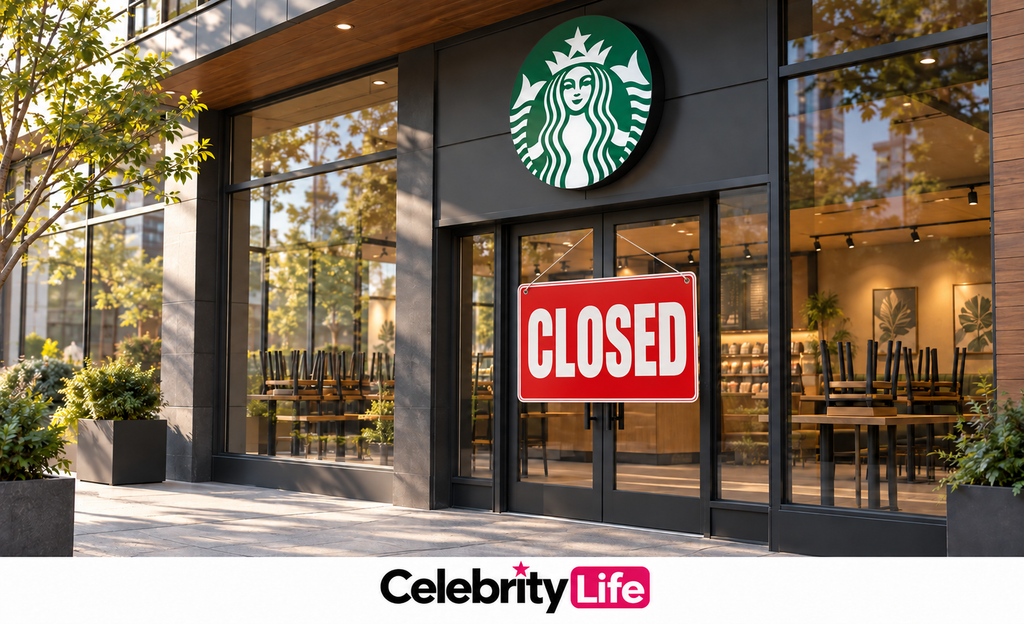
On September 24, 2026, Starbucks announced plans to close approximately 250 coffeehouses in North America. The decision formed part of its effort to concentrate on locations capable of delivering the desired experience and financial performance. Starbucks also continued its renovation program and maintained longer-term growth ambitions in the region.
For affected customers, a closure can outweigh improvements elsewhere. Better company-wide results do not replace the convenience of a nearby café. The store decisions therefore reveal a difficult part of the turnaround: improving the overall business can still disrupt individual neighborhoods and employees.
5. Are Brian Niccol’s Starbucks Changes Working?
By the third quarter of fiscal 2026, Starbucks had recorded four consecutive quarters of positive global comparable-store sales growth. Global comparable sales increased 7.9%, while North American comparable sales increased 8.1%. These figures indicate stronger sales at qualifying established stores, rather than growth explained only by opening new locations.
North American comparable transactions also rose 4.5% during the quarter. That distinction is useful: it shows increased transaction activity alongside higher average spending. North American revenue reached approximately $7.4 billion, up 7% from the same period a year earlier.
The results suggest progress, but the financial picture still includes trade-offs. Starbucks’ North American operating margin improved only modestly, from 13.3% to 13.6%. Labor investment and restructuring costs continued to offset some benefits from stronger sales. Better customer service requires resources, and increased revenue does not automatically translate into equally strong profit growth.
Employee relations remain another challenge. As of late September 2026, Starbucks had not reached a labor agreement with its U.S. union, and shareholder groups were pressing for stronger board oversight of labor issues. Sustaining the turnaround involves both customer satisfaction and the experience of the people delivering that service.
FAQ’s
Q1. When did Brian Niccol become Starbucks CEO?
Brian Niccol started as Starbucks chairman and CEO on September 9, 2024. He previously led Chipotle.
Q2. Why did Starbucks simplify its menu?
The company targeted less popular, complex and overlapping products to support quicker preparation and more consistent drinks. It also wanted room for selected new offerings.
Q3. Are Starbucks free refills available on every drink?
No. The café refill benefit covers eligible hot or iced brewed coffee and tea during the same visit at participating stores. Specialty beverages are not interchangeable with those eligible refills.
Q4. Do these changes apply everywhere worldwide?
Individual announcements have different scopes. For example, the menu reduction targeted the United States, while several café amenities applied in North America. Customers should check the conditions offered at their location.
Conclusion
Brian Niccol’s changes have reshaped Starbucks through service improvements, menu decisions, café upgrades and a more selective store network. Sales momentum points to progress, while costs and employee relations remain important tests. Ultimately, customers will judge the turnaround through their own visits.
